
Beyond its religious importance, Machattu Mamangam is deeply rooted in the cultural identity of the local community. The festival is jointly organized by five desams—Karumathra, Viruppakka, Mangalam, Parlikadu, and Manalithara—each participating with great enthusiasm and a spirit of friendly rivalry. In addition, the desams of Thekkumkara, Punnamparambu, and Panangattukara assume responsibility for conducting the Pooram once every three years. The celebrations commence on the first Friday of the Malayalam month of Kumbham (February), while the main Vela festivities take place on the following Tuesday.
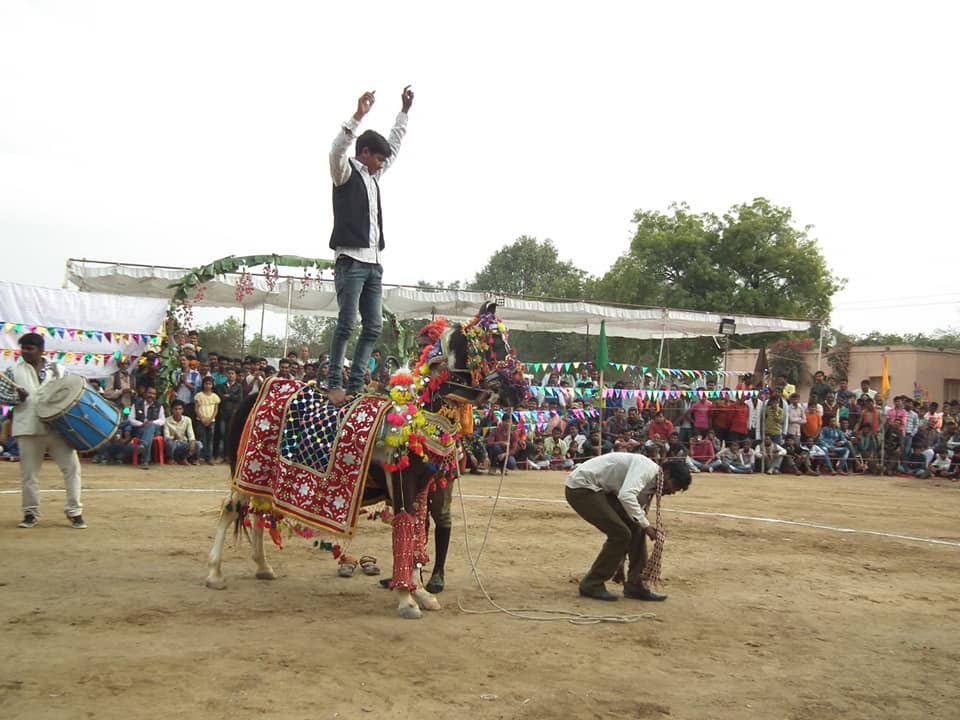
Local folklore traces the origins of the festival to a ruler who wished to create a celebration that could rival the grandeur of the renowned Uthralikkavu Pooram. Initially, he intended to feature live horses in the procession. However, the scarcity of horses in Kerala and the challenges associated with maintaining them led to the adoption of handcrafted wooden horse effigies. Over time, these decorative Kuthirakolams became the defining symbol of the festival.
The festivities begin with the traditional Parapurappadu procession held on the first Friday of Kumbham, setting the stage for the much-awaited Kuthira Vela celebrated a few days later. The event concludes on the following day, leaving participants and spectators with cherished memories of the vibrant celebrations.
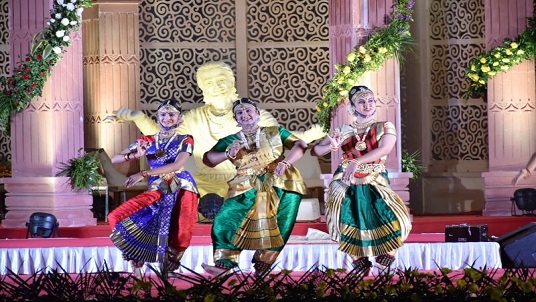
More than a temple festival, Machattu Mamangam serves as a reflection of the region’s rich cultural traditions and collective spirit. The magnificent Kuthirakolam procession, diverse cultural performances, and active involvement of the participating desams combine to create a unique and memorable experience. For visitors seeking an authentic glimpse into Kerala’s heritage and festive traditions, Machattu Mamangam offers an unforgettable cultural journey.




-/datia)
536x302.jpg.jpeg)




![aanayuttu [536×302px] - 1](/content/dam/incredible-india/images/utsav-festivals-and-events/utsav-events/kerala/aanayoottu-at-vadakkumnathan-temple/aanayuttu)



Right536x302.jpg.jpeg)













/HeritageWalk1Right536.jpg.jpeg)


.png)





.jpg.jpeg)
.jpg.jpeg)


-regional-fes-explore?qlt=82&ts=1742183405750)













-/Jpg)