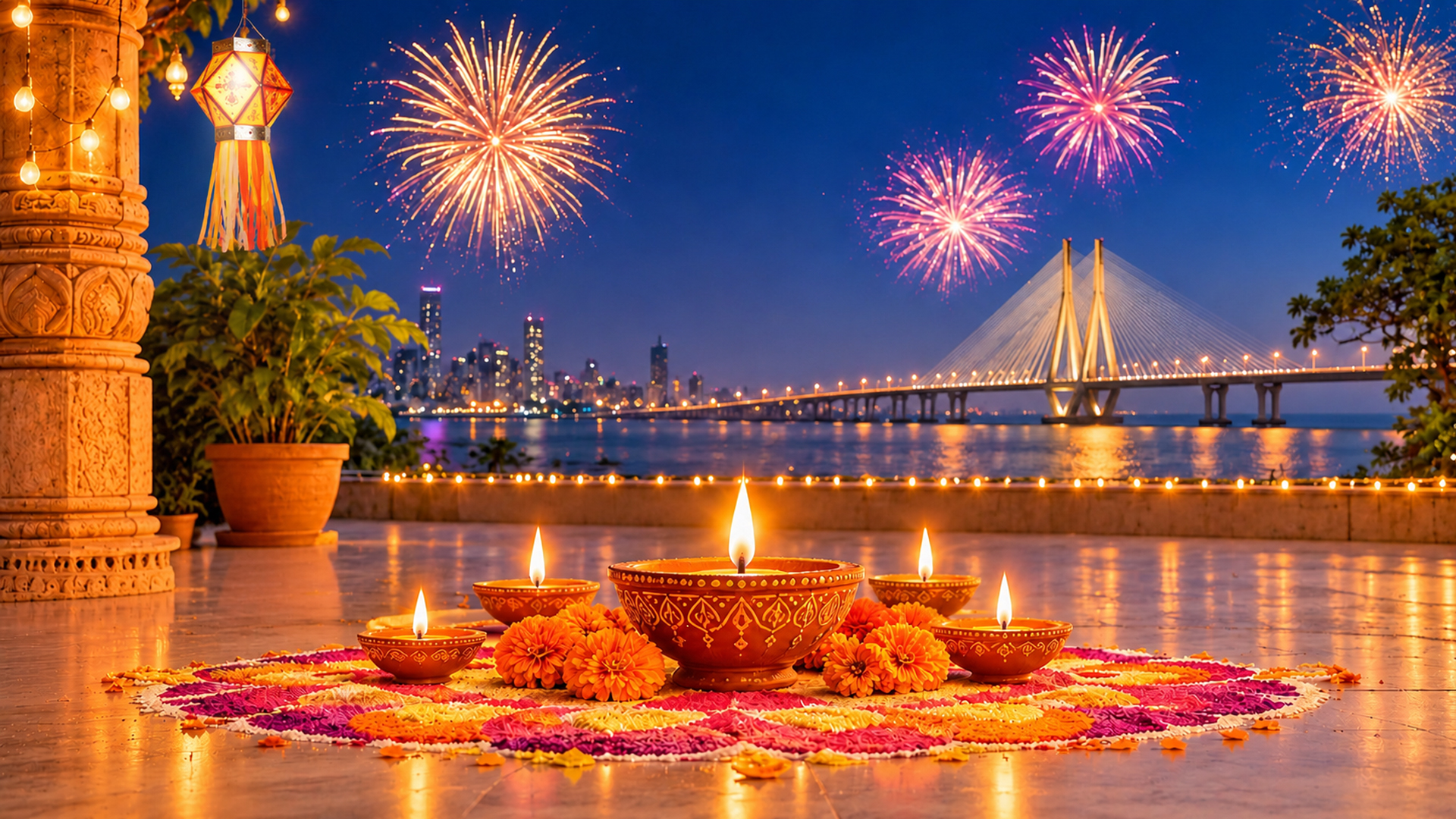


Hero-Banner
Hero-Banner

Video Description

map


Nearest Airport

Mumbai: Chhatrapati Shivaji Maharaj International Airport (BOM)

Nearest Airport

Mumbai: Chhatrapati Shivaji Maharaj International Airport (BOM)

Diwali: The Festival of Light, Joy, and Togetherness

Diwali, one of the most widely celebrated and significant festivals in India, is known as the Festival of Lights. It is more than just a celebration; it symbolizes joy, unity, and relationships. Diwali marks the victory of light over darkness, knowledge over ignorance, and good over evil. This festival is not only religious but also holds social and cultural importance, making it a unique celebration for everyone.


The essence and significance of Diwali


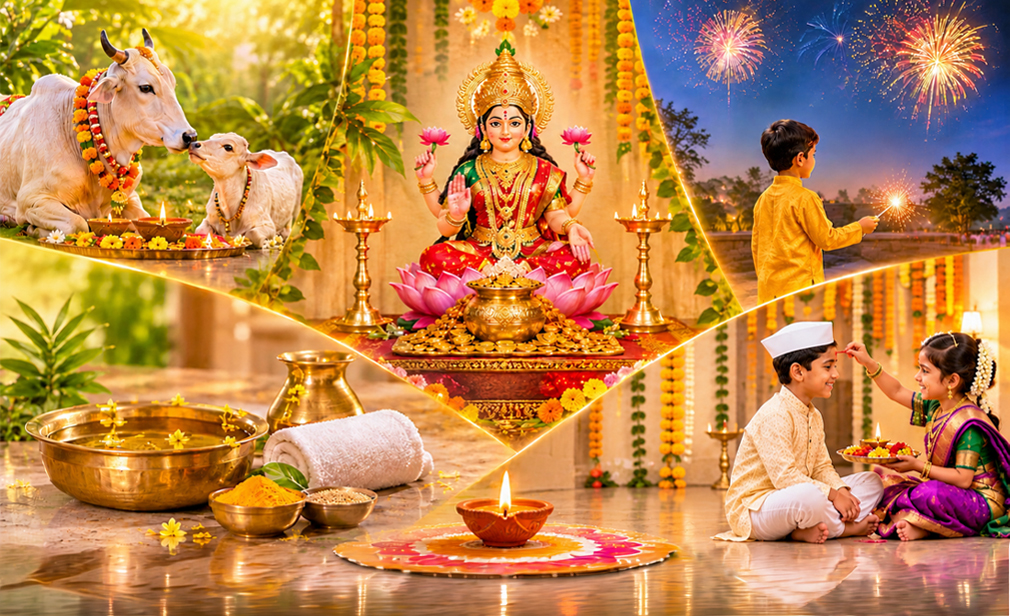
Diwali is a five-day festival celebrated across India and even worldwide. Each day of the festival carries unique religious, cultural, and spiritual significance.


Vasubaras: (Tithi: Krishna Paksha 12, Ashwin)

Pre Celebrations Starts from Vasubaras.


Day 1 (Dhantrayodashi): (Tithi: Krishna Paksha 13, Ashwin)

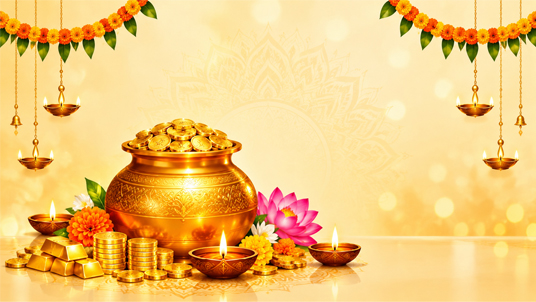
A day to worship Wealth and Prosperity.


Day 2 (Narak Chaturdashi):

Celebrates the victory over evil and negative energies.

(Tithi: Krishna Paksha 14, Ashwin)


Day 3 (Lakshmi Pujan): (Tithi: Ashwin Amavasya)

Dedicated to Goddess Lakshmi, marking the beginning of a new financial year and lighting up homes with diyas.


Day 4 (Balipratipada/Padwa): (Tithi: Shukla Paksha 1, Kartik)

Honours King Bali and focuses on spending joyful moments with family.


Day 5 (Bhau Beej): (Tithi: Shukla Paksha 2, Kartik)

Celebrates the bond between Brothers and Sisters.


Tulsi Vivah: (Tithi: Shukla Paksha 11-15, Kartik)

Holds special significance in Hindu culture as it symbolizes the divine union of Lord Vishnu and Goddess Lakshmi, represented by the sacred Tulsi plant. This ritual highlights the belief that the virtuous and righteous are always protected by the divine.


Diwali is celebrated differently across Indian states, with various traditions that reflect the region’s diversity. It is a festival that fosters economic, social, and familial bonds, bringing people closer.


History and cultural significance


Diwali has its roots in ancient Indian traditions and cultural history. In the Ramayana, it marks the return of Lord Shree Ram, Goddess Sita, and Lord Lakshman to Ayodhya after 14 years of exile and defeating Ravana, celebrated with lamps lighting their way. In the Mahabharata, it signifies the return of the Pandavas after their exile; Diwali celebrates goodness, truth, and unity, bringing people together across cultures to share joy and light.


Connection between Diwali and Nature


Diwali has a close connection with nature. Historically, it marked the arrival of winter and a time for preparing homes and hearts for the season ahead. The tradition of cleaning homes, decorating them with flowers and lights, and lighting diyas brings positivity and harmony.

However, celebrating Diwali sustainably is now essential. Excessive use of fireworks has led to pollution, affecting air and noise quality. Hence, the modern emphasis is on Green Diwali, where people celebrate with lights and eco-friendly alternatives while protecting the environment.

Traditional Diwali Food and Sweets

Diwali is synonymous with delicious feasts and mouthwatering sweets. Households prepare a variety of snacks and desserts, which are shared with family and friends, adding sweetness to the festivities.

Popular Diwali Delicacies:

  • Laddoos: Traditional sweets like Besan Laddoo, Rava Laddoo, and Coconut Laddoo.
  • Chivda: A savoury mix made with flattened rice, nuts, and spices.
  • Shankarpali: sweet or mildly sweet crispy diamond-shaped treats.
  • Karanji: A fried delicacy filled with coconut, jaggery, and dry fruits.
  • Anarse: Sweet, crispy treats made from rice flour and jaggery.
  • Chakali and Kodbale: crunchy, savoury snacks that are staples in Diwali feasts.
  • Karanji: Fried sweet dumplings made of wheat flour and stuffed with dry or moist coconut delicacies.

These dishes enhance the festive joy and bring families together during the celebration.


How Diwali is celebrated

The celebration of Diwali involves various rituals and traditions, making it a vibrant and joyful occasion for all. Diwali is a time when homes are given a thorough cleaning and decorated with vibrant flowers, torans, and colorful rangolis, creating a festive and welcoming atmosphere. Rangolis, intricate patterns made at the entrance of homes, are believed to invite prosperity and positivity. The celebration continues with the lighting of diyas, small oil lamps placed both inside and outside, symbolizing the triumph of light over darkness. On the main day, families come together for Lakshmi Puja, worshiping Goddess Lakshmi and Lord Ganesh to seek Blessings for Wealth, Prosperity, and Happiness. The festive cheer is further amplified with fireworks and crackers, though many now advocate for eco-friendly alternatives. Another cherished tradition is the exchange of gifts, sweets, and Diwali cards, spreading love and best wishes among friends and family.


Social and Cultural Message of Diwali

Diwali is a festival that emphasizes social Harmony and Kindness.

It is time to:

Help the needy by providing food, clothes, and other essentials. Strengthen the sense of community by celebrating together. Spread positivity and light, ensuring no one feels excluded during the festivities. The festival reminds us of the importance of sharing, caring, and spreading happiness across all sections of society.

Diwali is not just a festival but an emotion that brings light, positivity, and happiness into our lives. It teaches us the importance of Goodness, Generosity, and Strengthening our relationships.

By celebrating Green Diwali, we can ensure that the festival spreads light not only in our homes but also in our hearts, while protecting the environment for future generations. Let Diwali inspire us to embrace Kindness, Harmony, and Sustainability in our daily lives.
Bottom-Left-Image

Essential Information

Right-Side-Image
Venue Address

Celebrated throughout India

Date

Sunday, November 8, 2026 | Usually Celebrated in October/November Month (According to Hindu Lunisolar Calendar)

Source

Maharashtra Tourism

Explore more

festivals